


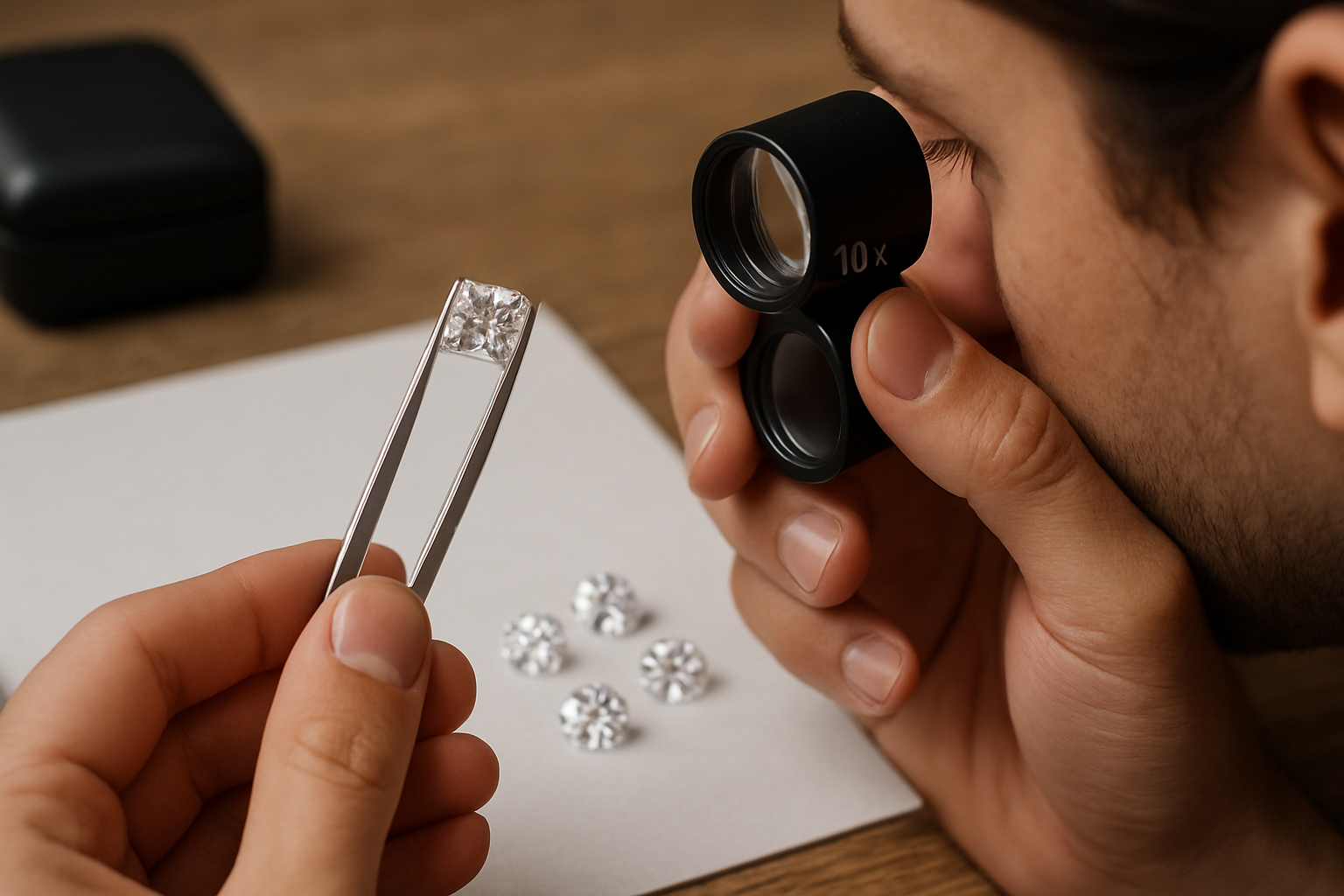
Understanding Lab-Grown Diamonds: The Foundation of Smart Selection
Lab-grown diamonds represent a revolutionary advancement in gemological science, offering identical crystalline structures to their earth-mined counterparts. These cultured gems undergo rigorous formation processes—either Chemical Vapor Deposition (CVD) or High Pressure High Temperature (HPHT)—that replicate natural diamond creation within controlled laboratory environments.
The optical, physical, and chemical properties remain indistinguishable from traditional diamonds. This technological marvel enables discerning buyers to access premium quality stones while embracing sustainable luxury practices.
Essential Quality Factors to Evaluate
The Four Cs: Your Quality Compass
Carat weight, color grade, clarity characteristics, and cut precision form the fundamental assessment framework. Lab-grown diamonds follow identical grading standards established by prestigious gemological institutes.
- Carat considerations should align with your design aspirations and budget parameters
- Color grades ranging from D (colorless) to Z (light yellow) offer diverse aesthetic options
- Clarity evaluations examine inclusions and blemishes under 10x magnification
- Cut quality directly impacts brilliance, fire, and scintillation performance
Growth Method Distinctions
CVD diamonds typically exhibit exceptional clarity with minimal inclusions. HPHT specimens often showcase superior color grades but may contain metallic inclusions. Understanding these nuanced differences empowers informed decision-making throughout your selection journey.
Professional tip: Request detailed grading reports from recognized certification bodies like GIA, IGI, or GCAL to verify authenticity and quality specifications.
Certification and Authentication Essentials
Reputable certification ensures transparency and quality assurance. Leading gemological laboratories employ advanced spectroscopy techniques to identify lab-grown diamonds and provide comprehensive grading documentation.
Laser inscriptions on diamond girdles offer additional authentication measures. These microscopic markings typically include certification numbers and laboratory identifications, creating traceable quality records.
Budget Optimization Strategies
Lab-grown diamonds typically cost 30-40% less than comparable mined stones. This price advantage enables buyers to maximize carat weight, upgrade quality grades, or invest in superior craftsmanship without compromising their financial comfort zones.
| Priority Factor | Budget Allocation Strategy |
|---|---|
| Maximum Size | Prioritize carat weight, accept lower color/clarity grades |
| Exceptional Brilliance | Invest in premium cut quality, optimize other characteristics |
| Colorless Appearance | Select higher color grades (D-F), balance other attributes |
Sourcing and Vendor Selection
Established jewelers specializing in lab-grown diamonds offer superior expertise and service standards. Custom jewelry specialists provide personalized design experiences, enabling unique creations tailored to individual preferences and specifications.
Virtual design services revolutionize the purchasing experience. Advanced 3D rendering technologies allow customers to visualize their selections before final production, ensuring complete satisfaction with aesthetic outcomes.
Common Selection Pitfalls to Avoid
Overlooking certification requirements represents a critical mistake. Always demand proper documentation from recognized grading institutions to verify quality claims and diamond authenticity.
Focusing exclusively on price comparisons without considering craftsmanship quality can compromise long-term satisfaction. Superior settings and mounting techniques ensure durability and enhance overall aesthetic appeal.
Future-Proofing Your Investment
Lab-grown diamonds maintain their beauty indefinitely with proper care and maintenance. These gems resist chipping, scratching, and fading, providing lasting value for significant jewelry investments.
Consider resizing capabilities and modification potential when selecting settings. Flexible design elements accommodate lifestyle changes while preserving your diamond's integrity and brilliance characteristics.
What questions should you ask potential vendors about their sourcing practices and quality guarantees? How do their warranty policies protect your investment over time? These inquiries help establish confidence in your selection process and ensure long-term satisfaction with your lab-grown diamond choice.

Share:
Engagement Rings Guide 2025 Trends Styles And Smart Buys
Classic Diamond Studs: Timeless Elegance for Every Day